Your targets
- HbA1c (glycated hemoglobin): the "average" of your blood sugar over the past 3 months. For most adults, the target is below 7%. In older adults or people with other conditions, the target may be relaxed — it's set together with your doctor, not one-size-fits-all.
- Fasting glucose: between 80 and 130 mg/dL for most people.
- Glucose 2 hours after meals: below 180 mg/dL.
A detail that confuses many patients: you can have "normal" fasting readings and still a high HbA1c, because after-meal spikes don't show up in the morning test. That's why both measurements complement each other. Diabetes rarely travels alone: controlling your blood pressure and cholesterol protects your heart and kidneys as much as controlling glucose does.
Warning signs: when to go to the emergency room
Go to the ER, without waiting for an appointment, if you have:
- Glucose below 70 mg/dL with confusion, cold sweats, or shaking that does not improve after taking sugar (juice, 3 teaspoons of sugar, or glucose tablets).
- Glucose persistently above 300 mg/dL, especially with intense thirst, frequent urination, nausea, vomiting, or rapid breathing.
- Vomiting or diarrhea that keeps you from eating and taking your medications.
- A foot wound that looks infected: red, warm, with pus or a bad smell.
- High fever that won't break, chest pain, or shortness of breath.
If a low glucose episode improved with sugar, you don't need the ER — but do mention it at your next visit: repeated lows mean your treatment needs adjusting.
What every follow-up visit should include
Good control isn't just "checking your sugar." Each follow-up visit should cover:
- HbA1c: every 3 to 6 months, depending on your control.
- Feet: examined at the office, and at home check them yourself daily for wounds, blisters, or color changes. Loss of sensation lets small wounds go unnoticed.
- Eyes: a retina exam with an ophthalmologist at least once a year, even if your vision seems fine. Damage starts without symptoms.
- Kidneys: a blood test (creatinine) and urine test (albumin) at least once a year.
- Blood pressure: at every visit; the usual target is below 130/80.
- Cholesterol and triglycerides: at least once a year.
- Your medications: what you actually take, what bothers you, what's hard to afford. Adjusting to real life is part of the treatment.
If none of this is being checked at your current visits, that's a sign your follow-up is incomplete.
Habits that actually lower glucose
You don't need a perfect life — you need consistency on these points:
- Walk 30 minutes, 5 days a week. The cheapest glucose-lowering "medication" there is.
- Cut sugary drinks: soda, juice, and sweetened waters are the first thing to trim.
- Fill half your plate with vegetables and keep tortillas, rice, or bread in moderate portions rather than banning them overnight.
- Don't smoke. Smoking with diabetes multiplies the damage to your heart, kidneys, and circulation.
- Sleep well. Poor sleep raises glucose; it's not a luxury, it's part of your control.
- Take your medication every day, not just when your sugar "feels high." Diabetes gives no warning.
When should you see a doctor?
Book an appointment (no ER needed) if:
- Your HbA1c has been above target for more than 6 months.
- You have frequent lows or very unstable readings.
- It's been over a year since anyone checked your feet, eyes, or kidneys.
- You were diagnosed with diabetes and no one has clearly explained your plan yet.
Good control starts with a complete evaluation, a diagnosis explained calmly, and a defined plan you understand and can follow.
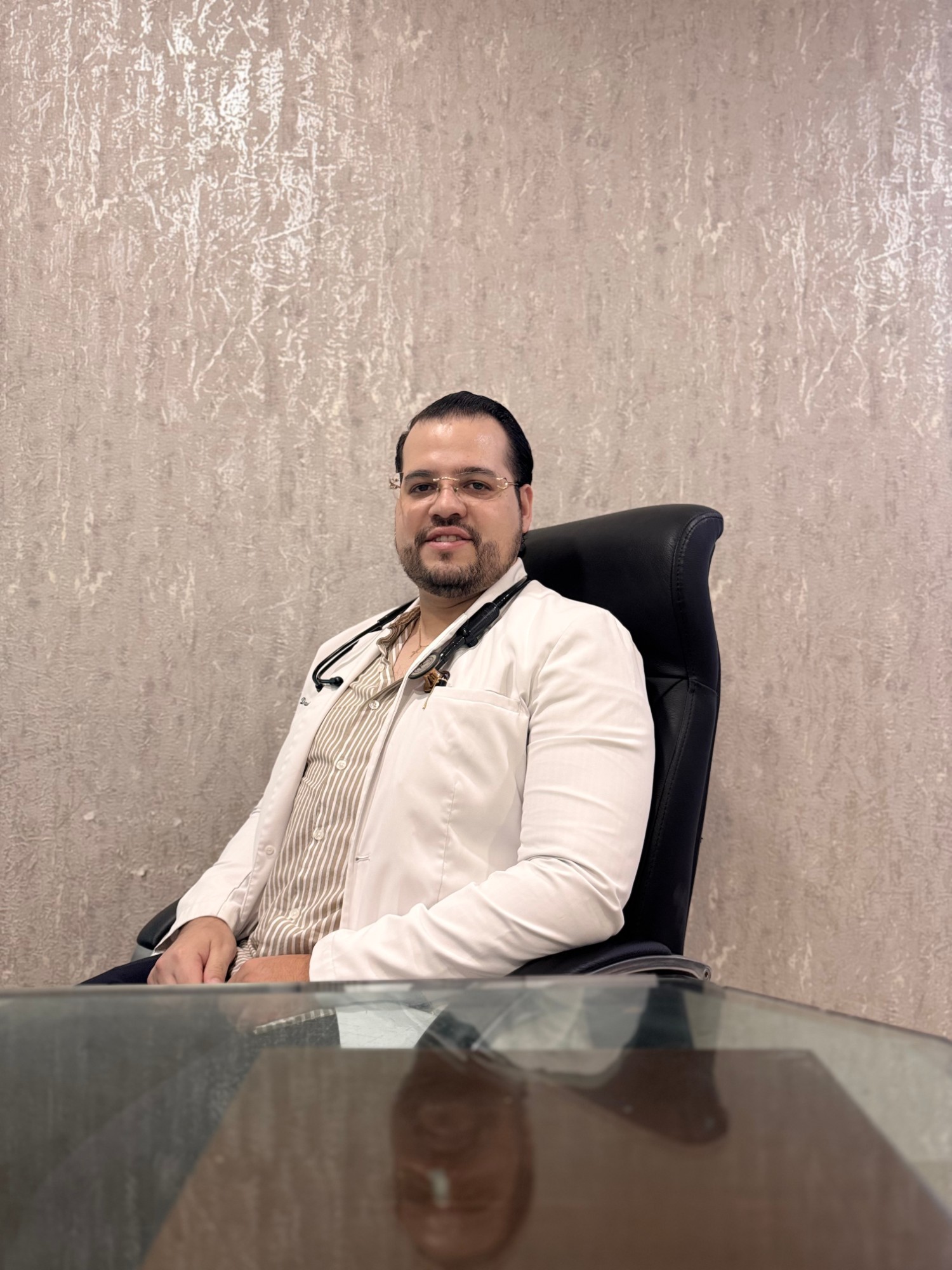
This guide is informational and does not replace a medical evaluation. If your symptoms are severe or worsening, seek care immediately.